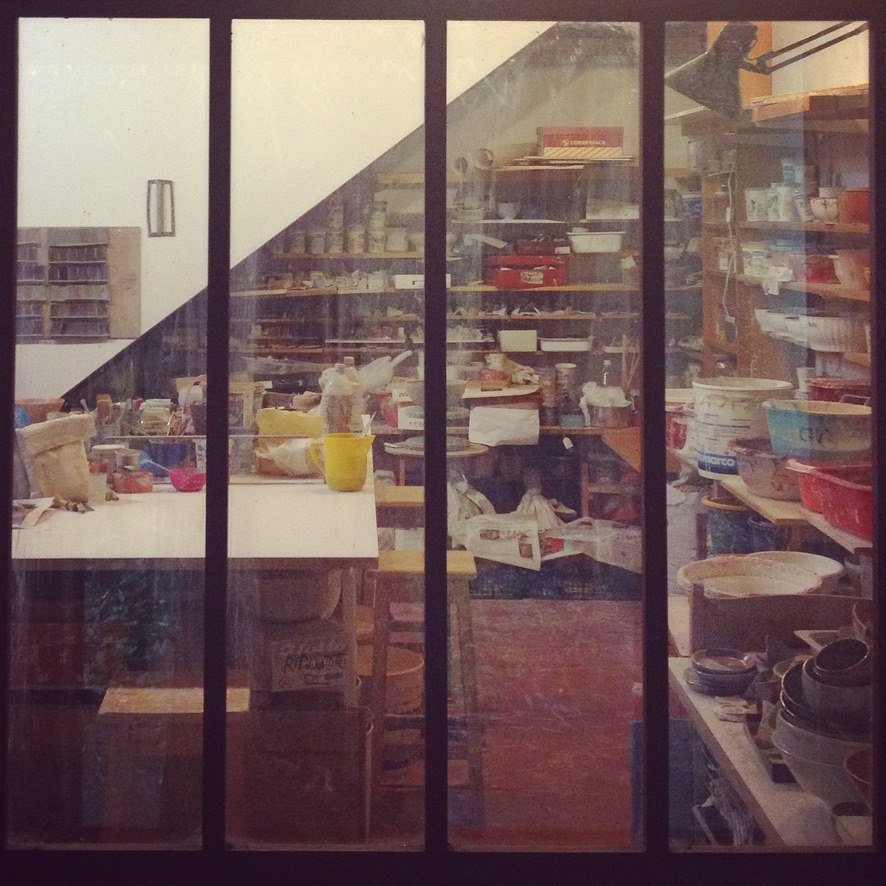
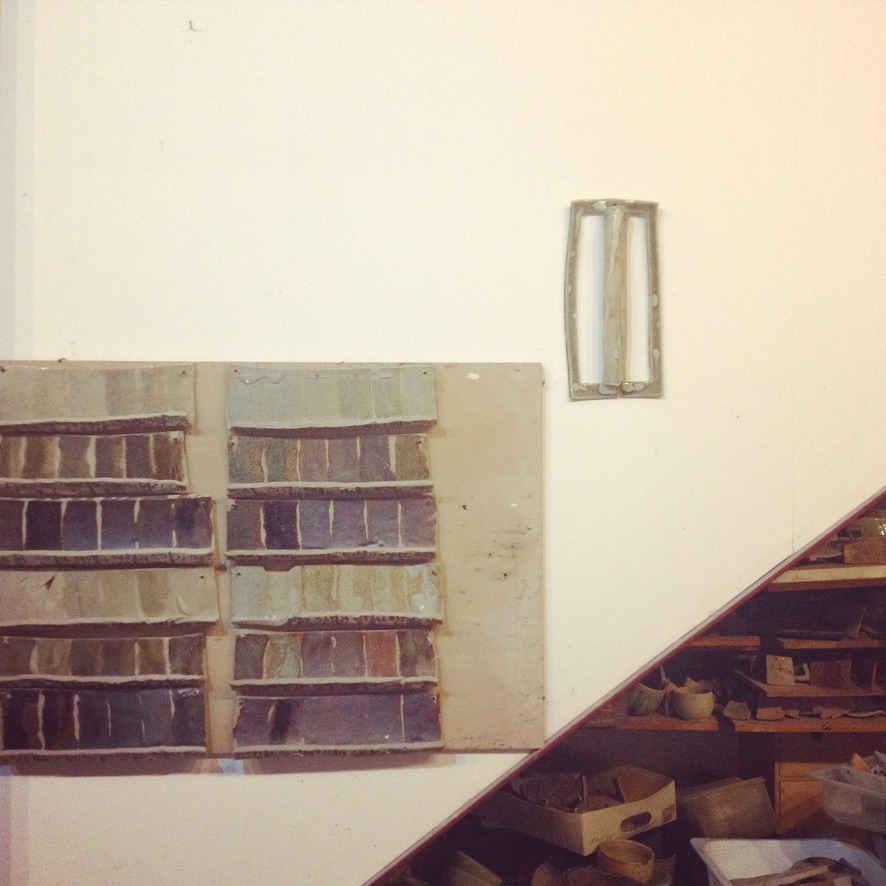
Studio · MĀRLIK
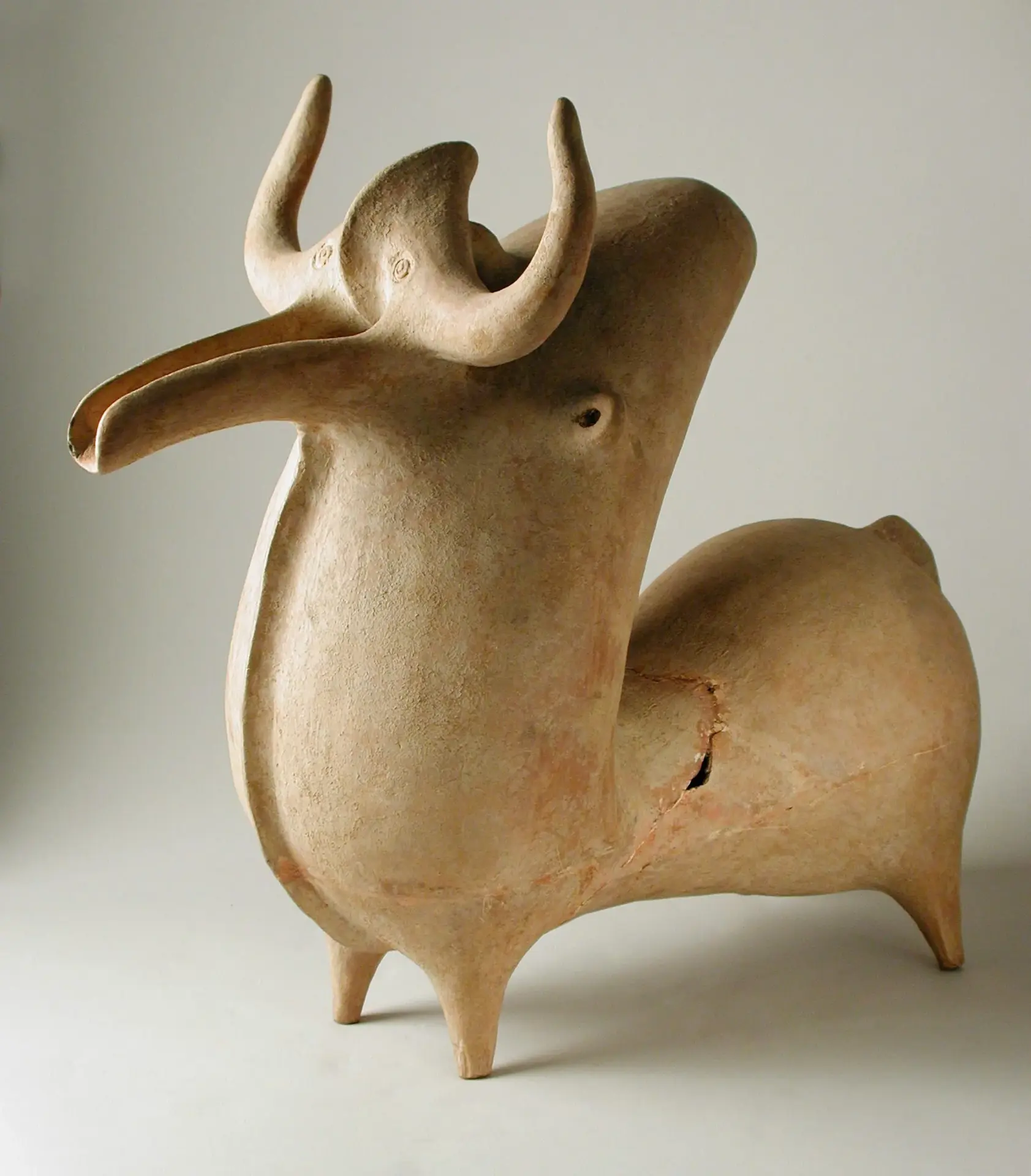
MĀRLIK takes its name from Marlik Tepe, an Iron Age necropolis in northern Iran known for its unglazed terracotta. The vessels found there have a quiet, ritual presence that echoes through the studio’s work today.
The hand in the clay
Each piece is built by hand, often from slabs of stoneware. The form has a clear outline, while the surface keeps its grain. Along a rim, a slight unevenness still holds the pressure of the fingers that shaped it.
Much of the work turns on where the weight sits. A thick wall can make a small vessel feel monumental. An opening cut at an angle can draw the eye into the space it holds. These decisions take shape in the hands, while the clay is still soft.
Each piece is one of a kind. A shape may return within a collection, and each time the hand finds a slightly different balance. Once a piece leaves the studio, its particular weight and the marks of its making go with it.
Matter · Technique · Kiln
- Building
- Hand-building and slab construction, largely without the wheel; wheel-throwing and mould or slip-casting when the form asks for them. Every piece is uniquely handmade, one of one. Not a production limit but the nature of the practice, and its strength.
- Firing & body
- High-fire stoneware, cones 8 to 10. Chamotte-rich bodies, glazed and raw surfaces.
- Beyond clay
- Open to other media when the work asks for them: metal, textile, sound, light.
Parisa Golestaneh · Founder and maker
Italian-Iranian artist and designer based in Milan. Trained as a designer, she approaches clay through process, form, and perception. In 2026, her practice shifted toward ceramic art, moving from function toward sculptural, research-driven, conceptual work.
Her practice begins with what remains: experiences that enter the body and return later, unannounced. She gives these fragments form, building an archive of emotional residues. Architecture, nature, fashion and music run through the work as parallel languages, not as disciplines, but as structures through which emotion is articulated.
“My study is about how emotion imprints itself into memory and matter. I’m moved by things that: enter my body, alter my internal state, stay lodged in memory and return later, unexpectedly; fragments that stayed. My research is fundamentally about after-effects while my practice is about emotional residue. I’m tracking how emotion sediments into matter.”
The studio · Milan · Since 2014